Chapter 4Tanks and setupsHow to
Goldfish Tank Setup: Why Bowls Fall Short and What to Buy Instead
Goldfish need a filtered tank of 20 to 29 gallons or more, not a bowl. Tank size, filters, temperature and whether a heater is needed, from vets and the RSPCA.
We earn from qualifying purchases through links on this page. How we make money.
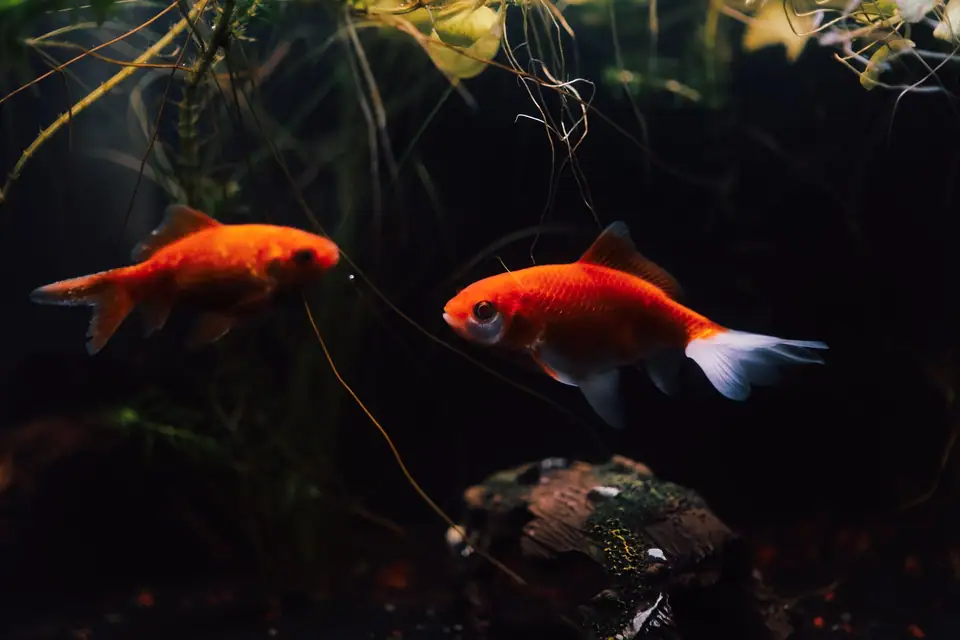
A goldfish needs a filtered tank, not a bowl: an NC State aquatic vet told Vetstreet 29 gallons is best and 20 the minimum. Goldfish make a lot of waste, so the filter matters as much as the tank. Most need no heater, since the RSPCA gives 10 to 21°C, but check your room temperature.
Why bowls fall short
Bowls are the classic goldfish home and the one every source rejects:
- RSPCA Australia says traditional bowls are too small for goldfish and should be avoided.
- The RSPCA in the UK says bowls and decorative tanks lack filtration, surface area and temperature stability.
- The NC State vet explained that the more water there is, the longer it takes to become polluted by waste and leftover food.
A goldfish can live 10 to 15 years, and some varieties up to 30 with good care, says RSPCA Australia. The NC State vet has treated goldfish as old as 14. The tank you buy is for the long term.
What size tank does a goldfish need?
| Source | Tank | Stocking |
|---|---|---|
| NC State vet (Vetstreet) | 29 gallons best, no smaller than 20 | One goldfish per 5 gallons |
| RSPCA Australia | 50 liters minimum (about 13 gallons), larger as you add fish | Length at least 4 times, width 2 times and height 3 times the adult body length |
| RSPCA (UK) | Larger than 45 x 30 x 30 cm | 2 liters of water per half centimeter of goldfish |
The sources differ in the minimum, but they point the same way: a 20 gallon long or a 29 gallon tank is the practical starting point. Aqueon’s 29 gallon standard tank measures about 30 by 12.5 by 18.8 inches and weighs 330 pounds full, so it needs a proper stand. See tank sizes compared.
Tank kits in 20 to 29 gallons
Live listings, shown by eBay
Opens eBay in a new tab. Check condition, seller feedback and returns.
The filter matters most
RSPCA Australia calls goldfish heavy feeders and high waste producers that need efficient filtration of a suitable size, both for water quality and for oxygen. The NC State vet lists a power filter among the essentials.
Choose a filter rated for at least your tank’s volume. Aqueon, for example, rates its 200 gallon-per-hour QuietFlow canister for aquariums up to 55 gallons. Hang-on-back and canister filters both suit goldfish tanks; the filters chapter compares them.
RSPCA Australia’s water targets for goldfish are ammonia under 0.1 ppm, nitrite under 0.2 ppm, nitrate under 50 ppm and pH 6.5 to 7.5. It suggests rinsing filter media in tank water, never tap water, monthly or when clogged, so the helpful bacteria survive.
Hang-on-back and canister filters for goldfish tanks
Live listings, shown by eBay
Opens eBay in a new tab. Check condition, seller feedback and returns.
Do goldfish need a heater?
Usually not, but the sources are not identical:
- RSPCA (UK): goldfish at 10 to 21°C (50 to 70°F); a heater is optional.
- RSPCA Australia: ideal temperature 20 to 24°C (68 to 75°F).
- NC State vet: a backup heater is optional but recommended.
A thermometer in the tank tells you whether your water stays inside these ranges without help. If your room runs cold, a small adjustable heater set low keeps the water steady; see aquarium heaters.
Setting up and keeping it clean
Cycle the tank before the goldfish go in; the cycling chapter shows how. After that, the sources give different schedules for water changes. RSPCA Australia suggests 10 to 25 percent every week with a gravel clean. The NC State vet suggests siphoning a third of the water each month and replacing it with dechlorinated water. See how to clean a fish tank.
The NC State vet also advises quarantining any new fish for at least 30 days before adding it to the main tank. Feed only what goldfish eat in under two minutes, once a day, says RSPCA Australia; more in fish food by fish.
If a goldfish looks sick, see a veterinarian who treats fish. And never release a goldfish into a pond or stream: the note at the end of this chapter lists what to do instead. For the full list of gear, see the setup checklist.
Frequently asked questions
Can a goldfish live in a bowl?
The sources say no. RSPCA Australia says traditional bowls are too small for goldfish and should be avoided, and the RSPCA (UK) says bowls lack filtration, surface area and temperature stability.
What size tank does a goldfish need?
An NC State aquatic vet told Vetstreet a 29 gallon tank is best and nothing smaller than 20 gallons. RSPCA Australia gives a 50 liter minimum, larger with more fish, and tank sides of at least 4, 2 and 3 times the adult fish's length.
Do goldfish need a heater?
Usually not. The RSPCA (UK) gives 10 to 21°C for goldfish and calls a heater optional. RSPCA Australia's ideal range is warmer, 20 to 24°C, and the NC State vet lists a backup heater as optional but recommended, so check your room temperature.
Do goldfish need a filter?
Yes. RSPCA Australia calls goldfish heavy feeders and high waste producers that need efficient filtration of a suitable size, and the NC State vet lists a power filter as essential.
How many goldfish can go in a 29 gallon tank?
The NC State vet's rule is one goldfish per 5 gallons, and he suggests starting with four or five goldfish in a 20 to 29 gallon tank. The RSPCA's stricter rule, 2 liters per half centimeter of fish, allows fewer large goldfish.
Sources
Part of Tanks and setupsStart here: Fish Tank Supplies Checklist: Everything a New Aquarium Needs
Read next
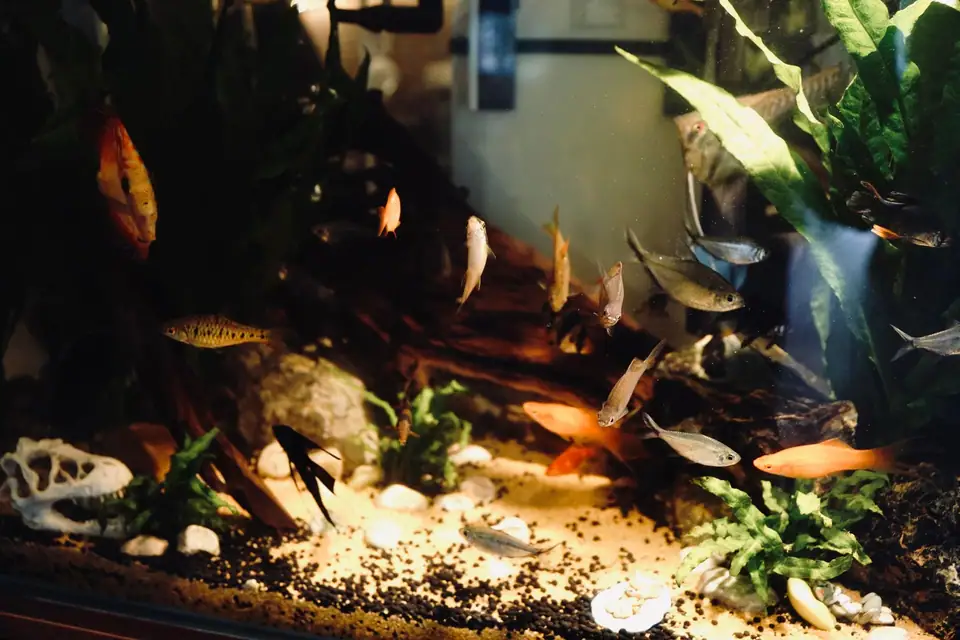
Fish Tank Supplies Checklist: Everything a New Aquarium Needs
What a new freshwater aquarium needs before fish: tank, lid, filter, heater, light, conditioner, test kit, substrate and food, with sizes from vets and makers.
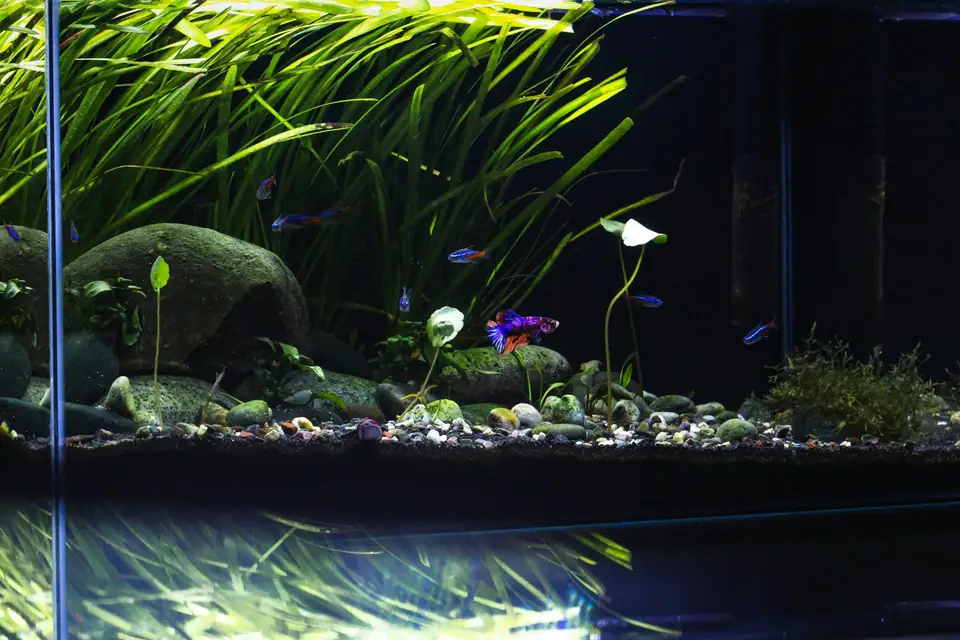
Aquarium Substrate and Decor: Gravel, Sand, Aqua Soil, Driftwood
Aquarium substrates compared: gravel, sand and aqua soils, how driftwood and limestone change pH, rinsing and safe decor, and silk vs plastic plants for bettas.
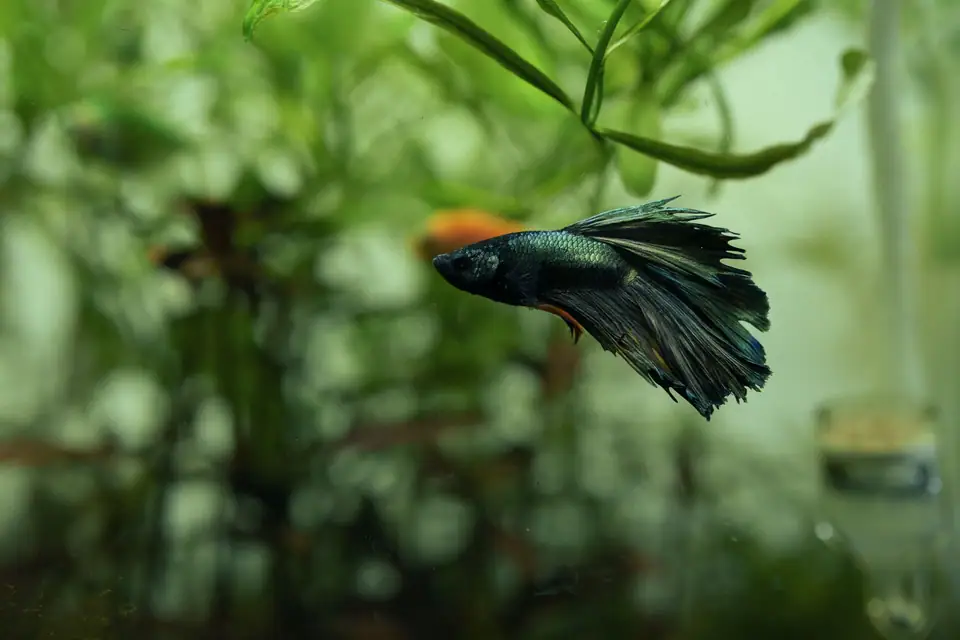
Betta Fish Tank Setup: Tank Size, Heater, Filter and Decor
How to set up a betta tank: 5 gallons or more, a heater for 76 to 81°F, a gentle filter, a lid and soft decor, from University of Illinois vets and the RSPCA.