Chapter 2Tanks and setupsComparison
Fish Tank Sizes Compared: 5, 10, 20, 29, 40, 55 and 75 Gallons
Standard aquarium sizes side by side: dimensions, empty and filled weights from Aqueon, what each size suits per vets, and the stand and stocking caveats.
We earn from qualifying purchases through links on this page. How we make money.
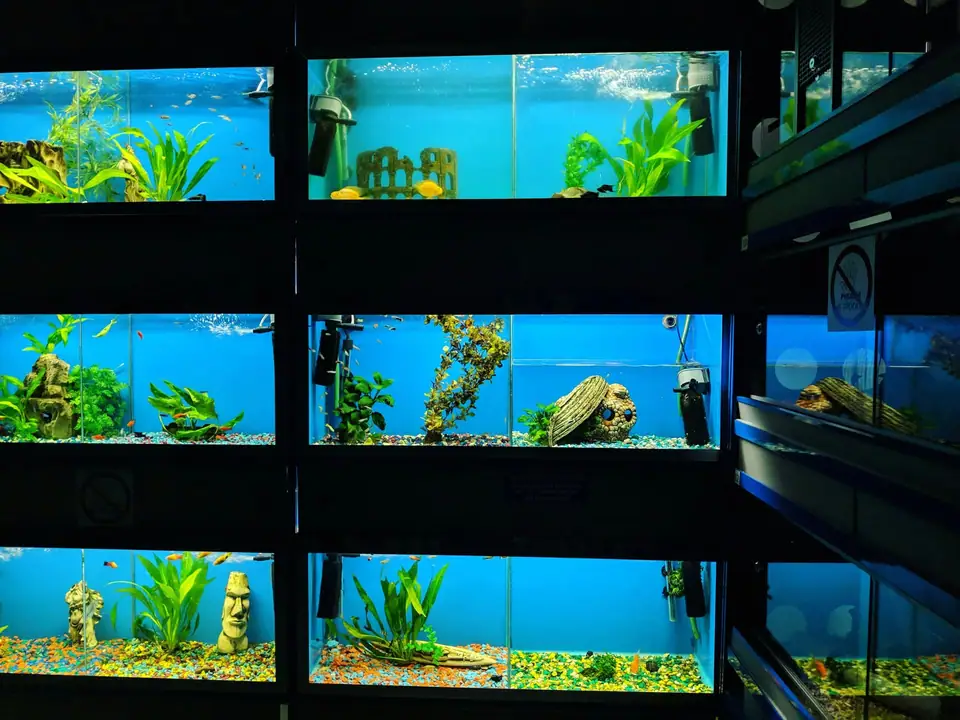
Standard glass aquariums run from 5.5 gallons (62 pounds filled) to 75 gallons (785 pounds filled) in Aqueon’s range. VCA suggests 10 or 20 gallons for a first tank, a betta needs 5 gallons or more, and goldfish need 20 to 29. Pick the size for your fish, then check the stand and floor can carry the filled weight.
Standard tank sizes side by side
Aqueon publishes the length, width and height of its standard glass tanks with their empty and full weights. We rounded the inches to one decimal place.
| Tank | Dimensions (L x W x H, in) | Empty | Full | Suits, per the sources |
|---|---|---|---|---|
| 5.5 gallon | 16.2 x 8.4 x 10.5 | 7 lb | 62 lb | One betta (Illinois vets: 5 gallons or more) |
| 10 gallon | 20.3 x 10.5 x 12.6 | 11 lb | 111 lb | A first tank (VCA) |
| 20 gallon high | 24.3 x 12.5 x 16.8 | 25 lb | 225 lb | A first tank (VCA) |
| 20 gallon long | 30.3 x 12.5 x 12.8 | 25 lb | 225 lb | The smallest goldfish tank an NC State vet accepts |
| 29 gallon | 30.3 x 12.5 x 18.8 | 40 lb | 330 lb | The goldfish size that vet calls best |
| 40 gallon breeder | 36.2 x 18.3 x 16.9 | 58 lb | 458 lb | Wide and shallow: more floor per gallon |
| 55 gallon | 48.3 x 12.8 x 21 | 78 lb | 625 lb | A 4 foot community tank |
| 75 gallon | 48.5 x 18.5 x 21.1 | 98 lb | 785 lb | A 4 foot tank with an 18.5 inch front-to-back depth |
Aqueon’s own rule of thumb for a filled tank with gravel and decor is about 10 pounds per gallon, which matches the table. It also notes that filled weights vary with substrate and decor.
Aquarium kits from 5 to 40 gallons
Live listings, shown by eBay
Opens eBay in a new tab. Check condition, seller feedback and returns.
Small tanks: 5 to 10 gallons
A 5.5 gallon tank is the classic betta home. University of Illinois vets say a betta should be in a 5 gallon tank or larger, never a bowl. The betta setup chapter covers the heater and filter it needs.
A 10 gallon tank is one of the two starter sizes VCA suggests. The RSPCA advises nothing smaller than 45 by 30 by 30 centimeters, about 40 liters or 10.5 gallons, because larger volumes give more stable conditions. So a 10 gallon tank sits at the small end of what the welfare sources accept for a community of small fish.
The middle: 20 and 29 gallons
The 20 gallon comes in two shapes of the same volume. The 20 high is taller and shorter; the 20 long gives fish about 6 more inches of length and more floor area. For goldfish, an NC State aquatic vet told Vetstreet a 29 gallon tank is best and nothing smaller than 20. The goldfish chapter explains why bowls fall short.
Big tanks: 40 to 75 gallons
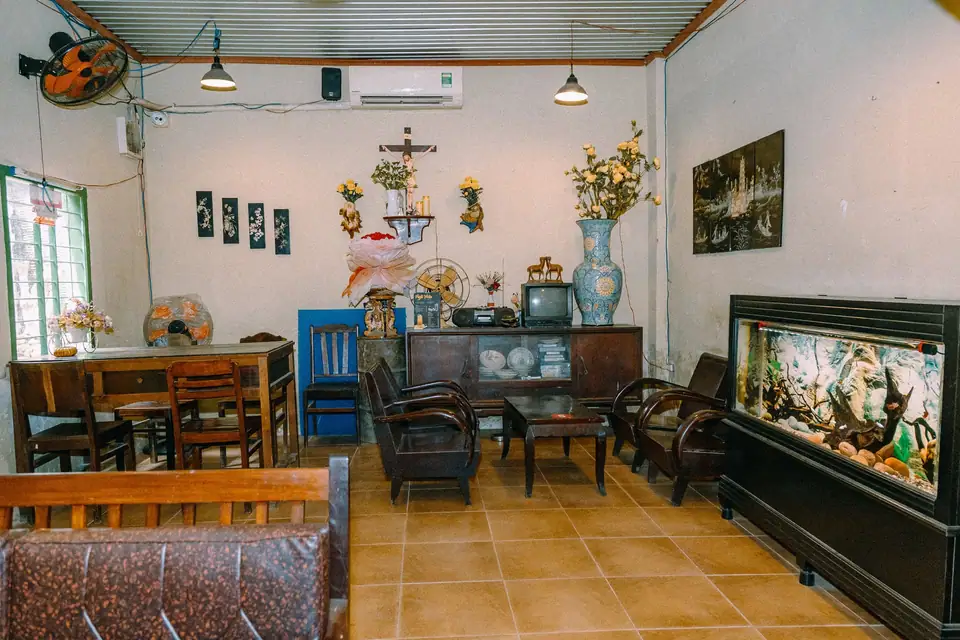
From 40 gallons up, the weight is the first question. Aqueon says it is essential to place a tank on an appropriately sized stand designed for all weight and safety specifications, and that tempered-bottom tanks cannot be drilled. A 75 gallon tank weighs 785 pounds full, so check your floor before you buy. We cannot judge a floor for you: ask a builder or structural engineer if you are unsure.
The 40 gallon breeder and the 75 gallon are both about 18 inches from front to back, which leaves room for plants and rockwork. The 55 gallon is the same length as the 75 but narrower.
Where to put it, before you fill it
The makers’ setup guides say the same things about placement, and they matter more as tanks grow:
- A level, sturdy surface. The Marina kit manual says a filled tank is extremely heavy and hard to move, so it should sit on a level, sturdy surface, with a level used to check it.
- Straight on the stand. The same manual says to set the tank directly on a cabinet sized for it, with no lining or padding in between.
- Away from trouble. Aqueon lists windows with direct sun, cold drafts from outside doors, fireplaces, vents, uneven surfaces and busy walkways as places to avoid.
- Never moved full. The Marina manual warns not to move a tank once it holds water.
Fill it only once it is in its final spot. Aqueon says to plug the filter in after the tank is filled to about an inch below the rim.
How many fish fit? The rules and their limits
The sources give rough rules, not guarantees:
- VCA: 1 gallon of water per 1 inch of fish, and do not overcrowd.
- RSPCA: 1.5 to 2 liters per centimeter of tropical fish, about the same as VCA’s rule.
- RSPCA, goldfish: 2 liters per half centimeter, roughly three times as much water.
- NC State vet (Vetstreet): one goldfish for every 5 gallons.
Use the adult length of the species, not the size in the store. The rules also ignore how active a fish is and how much waste it makes, which is why goldfish get their own, stricter numbers.
Gravel vacuums and nets for any tank size
Live listings, shown by eBay
Opens eBay in a new tab. Check condition, seller feedback and returns.
Choosing between two sizes
When a choice is close, go larger: both the RSPCA and the NC State vet link more water with more stable conditions. Budget for a filter and heater rated for the bigger tank, covered in aquarium filters and aquarium heaters. The setup checklist lists everything else.
Frequently asked questions
How many fish can you keep in a 20 gallon tank?
By VCA's rule of 1 gallon per inch of fish, about 20 inches of adult fish in total. The RSPCA's tropical rule of 1.5 to 2 liters per centimeter gives a similar figure. Both are rough guides: active fish and big waste producers such as goldfish need far more room.
How much does a 55 gallon fish tank weigh when full?
Aqueon lists its standard 55 gallon tank at 78 pounds empty and 625 pounds full, and notes that filled weights vary with substrate and decor.
What is the difference between a 20 gallon high and a 20 gallon long?
Same volume, different shape. Aqueon's 20 high measures about 24 by 12.5 by 16.8 inches and the 20 long about 30 by 12.5 by 12.8 inches, so the long tank gives fish more swimming length and more floor area.
Is a bigger tank easier to look after?
The RSPCA says larger volumes provide more stable conditions, and an NC State fish vet told Vetstreet that more water takes longer to become polluted. A bigger tank still needs the same weekly checks.
Sources
- Critical dimensions for all aquariums (catalog page)Aqueon
- Setting Up a Freshwater AquariumAqueon
- Marina LED Aquarium Kit instructions (5, 10 and 20 gallon)Rolf C. Hagen, hosted by Chewy
- Pet Fish: Setting Up an AquariumVCA Animal Hospitals
- Choosing an Aquarium: Keeping Pet FishRSPCA
- Bettas Need More Than BowlsUniversity of Illinois College of Veterinary Medicine
- Your First Fish: Happy, Healthy Goldfish Require Diligent CareVetstreet
Part of Tanks and setupsStart here: Fish Tank Supplies Checklist: Everything a New Aquarium Needs
Read next
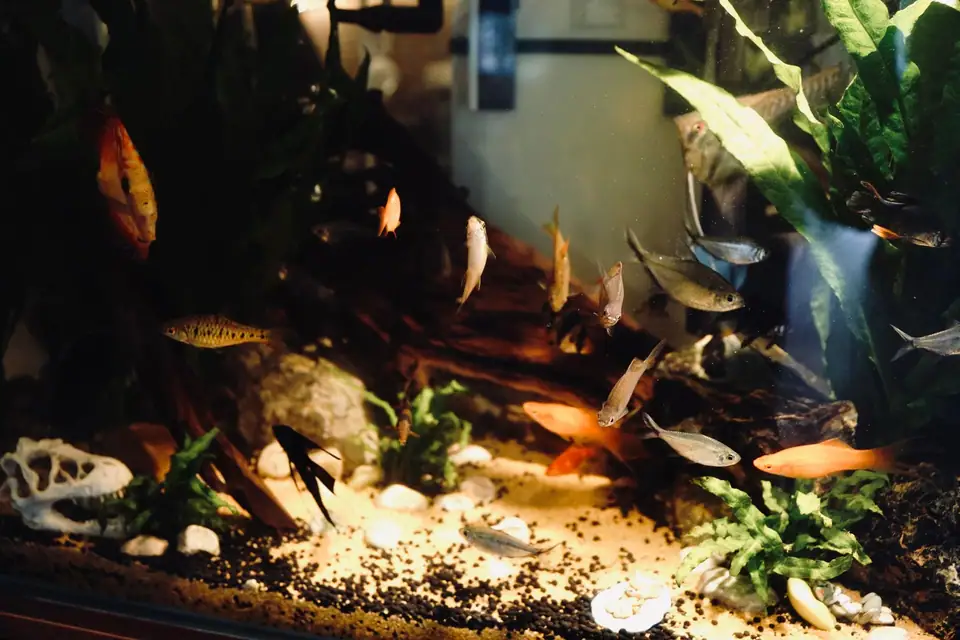
Fish Tank Supplies Checklist: Everything a New Aquarium Needs
What a new freshwater aquarium needs before fish: tank, lid, filter, heater, light, conditioner, test kit, substrate and food, with sizes from vets and makers.
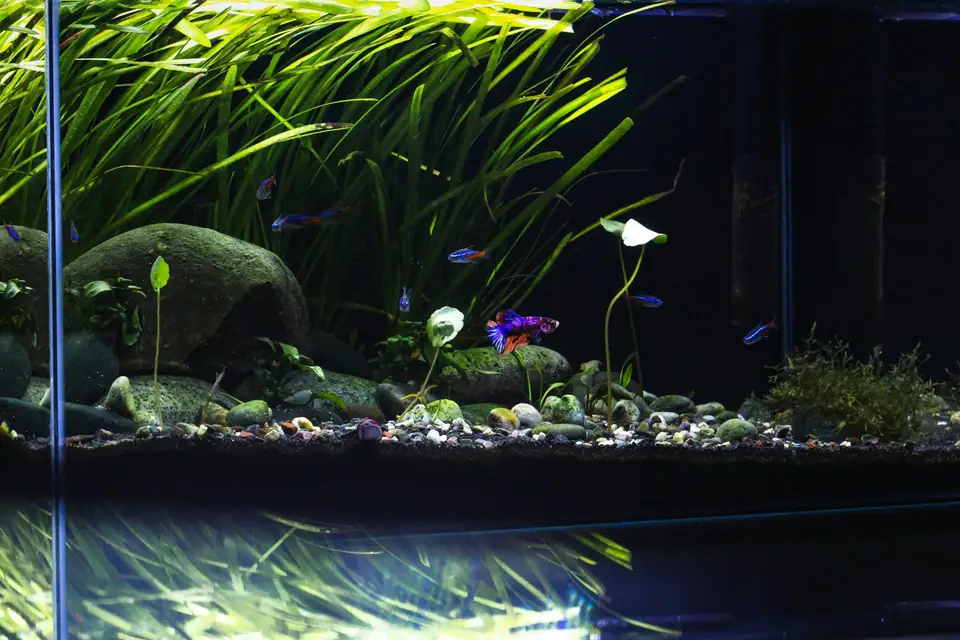
Aquarium Substrate and Decor: Gravel, Sand, Aqua Soil, Driftwood
Aquarium substrates compared: gravel, sand and aqua soils, how driftwood and limestone change pH, rinsing and safe decor, and silk vs plastic plants for bettas.
Betta Fish Tank Setup: Tank Size, Heater, Filter and Decor
How to set up a betta tank: 5 gallons or more, a heater for 76 to 81°F, a gentle filter, a lid and soft decor, from University of Illinois vets and the RSPCA.