Chapter 9Heat and lightQuestion
Aquarium Heaters: Do You Need One, What Size, and Which Type
Which fish need an aquarium heater, what wattage for your tank size from Aqueon's chart, what a heater costs to run at US electricity prices, and heater safety.
We earn from qualifying purchases through links on this page. How we make money.
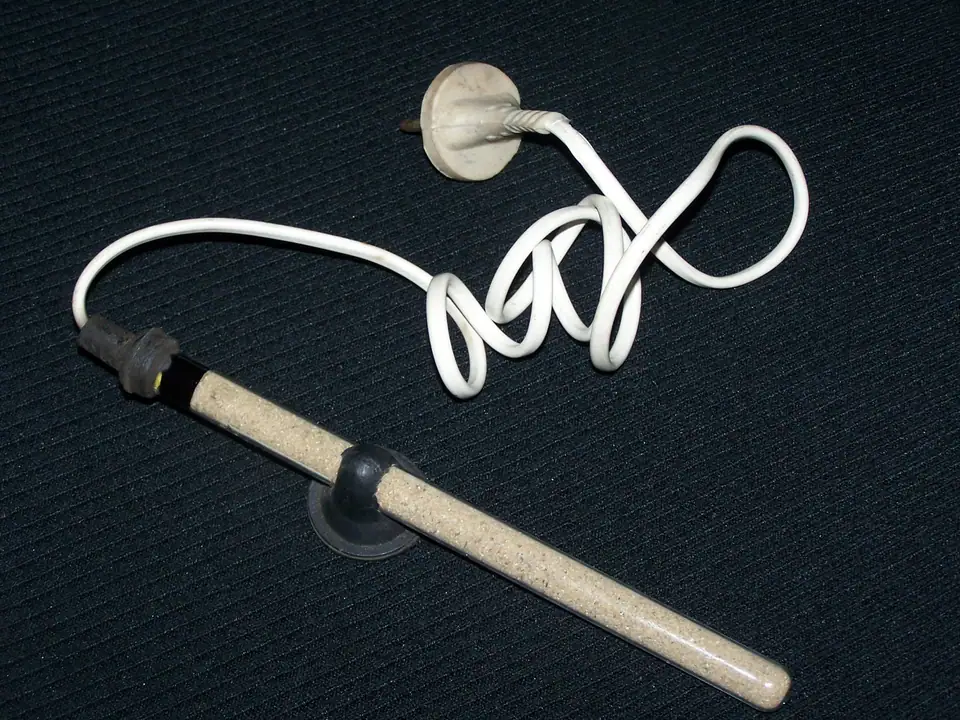
Tropical fish and bettas need a heater; goldfish usually do not. University of Illinois vets give bettas 76 to 81°F, while the RSPCA gives goldfish 10 to 21°C and calls a heater optional. Aqueon’s rule is 5 watts per gallon up to 55 gallons, so a 20 gallon tank takes a 50 to 100 watt heater.
Which fish need a heater?
| Fish | Water temperature | Heater? | Source |
|---|---|---|---|
| Betta | 76 to 81°F | Yes, most homes are cooler | University of Illinois vets |
| Tropical community fish | Typically 22 to 28°C (72 to 82°F), by species | Yes | RSPCA |
| Goldfish | 10 to 21°C (50 to 70°F) | Optional | RSPCA |
| Goldfish | 20 to 24°C (68 to 75°F) ideal | Not stated | RSPCA Australia |
The two RSPCA pages differ on goldfish: the UK page allows cooler water than the Australian one. A thermometer in the tank tells you where yours sits. For details, see the betta setup and goldfish setup chapters.
What size heater for your tank?
Aqueon gives two ways to size a heater. Its rule of thumb is 5 watts per gallon for tanks of 55 gallons or smaller and 3 watts per gallon above 60 gallons. Its wattage guidelines give overlapping ranges:
| Heater | Aquarium size (Aqueon) |
|---|---|
| 50 watts | 5 to 20 gallons |
| 100 watts | 15 to 40 gallons |
| 150 watts | 30 to 55 gallons |
| 200 watts | 50 to 75 gallons |
| 300 watts | 65 to 90 gallons |
Where ranges overlap, room temperature decides. Aqueon suggests a larger heater, or a second one, when the tank is in an especially cold room, on an exterior wall or near an outside door. Its heater tips are based on a room at 68 to 72°F.
Adjustable aquarium heaters by wattage
Live listings, shown by eBay
Opens eBay in a new tab. Check condition, seller feedback and returns.
Adjustable or preset?
A preset heater holds one factory temperature. An adjustable heater has a dial, so you can set it for your species, such as the betta range above. Either way, check the result with a separate thermometer and wait: Aqueon says to allow several hours before checking an adjustment, and to avoid sudden temperature changes that stress fish.
A heater guard, a plastic sleeve around the heater, keeps large fish and decor from touching it. Aqueon says to keep decorations away from the heating element.
Do aquarium heaters use a lot of electricity?
A worked example with a 100 watt heater: running nonstop for 24 hours, it would use 2.4 kilowatt-hours. At the EIA’s US average residential price for July 2026, 18.31 cents per kilowatt-hour, that is about 44 cents a day as an upper limit.
A heater’s thermostat switches it off once the water reaches the set temperature, so real use depends on how much warmer the tank is than the room. A tank in a warm room costs far less than one on a cold exterior wall. Your own utility rate may be higher or lower than the national average. To estimate your own cost, multiply the heater’s wattage by the hours it runs, divide by 1,000 for kilowatt-hours, and multiply by the rate on your electric bill.
Heater safety
Water and electricity
Aqueon says to unplug a heater and let it cool for at least 30 minutes before removing it from the water, to wait at least 30 minutes after placing it before plugging it in, and always to use a drip loop with a dry cord and plug. The Marina kit manual adds: unplug every appliance before putting your hands in the water.
Unplug the heater before a water change too, so it is never running while the water level drops below it, which Aqueon’s out-of-water warning is about. The cleaning chapter builds this into the routine. For light and timers, see aquarium lighting, and for everything else, the setup checklist.
Frequently asked questions
Do you really need an aquarium heater?
For tropical fish and bettas, yes: University of Illinois vets say bettas need 76 to 81°F and most homes are kept cooler. For goldfish, usually not: the RSPCA gives 10 to 21°C and calls a heater optional.
What size heater do I need for a 20 gallon tank?
Aqueon's wattage guidelines list a 50 watt heater for 5 to 20 gallons and 100 watts for 15 to 40 gallons. Its rule of thumb is 5 watts per gallon up to 55 gallons, which gives 100 watts for 20 gallons; pick the larger size for a cold room.
Do aquarium heaters take a lot of electricity?
A 100 watt heater running nonstop uses 2.4 kWh a day, about 44 cents at the July 2026 US average of 18.31 cents per kWh from the EIA. A heater with a thermostat switches off once the water is warm, so it uses less than that.
Where should the heater go in the tank?
Aqueon says near the filter inlet or outlet, or a circulation pump, so heat spreads evenly, with a submersible heater mounted horizontally near the bottom and decor kept away from it.
Is it safe to take a heater out of the water while it is on?
No. Aqueon says to unplug a heater and let it cool for at least 30 minutes before removing it from the water, and to wait 30 minutes after placing it before plugging it in.
Sources
- Fish Tank Heater Tips for Cold WeatherAqueon
- Aqueon Heater Wattage GuidelinesAqueon
- Choosing an Aquarium: Keeping Pet FishRSPCA
- Bettas Need More Than BowlsUniversity of Illinois College of Veterinary Medicine
- How should I care for my goldfish?RSPCA Australia
- Electric Power Monthly, Table 5.6.A: Average Price of Electricity to Ultimate Customers by End-Use SectorU.S. Energy Information Administration
- Marina LED Aquarium Kit instructions (5, 10 and 20 gallon)Rolf C. Hagen, hosted by Chewy
Part of Heat and lightStart here: Fish Tank Supplies Checklist: Everything a New Aquarium Needs
Read next
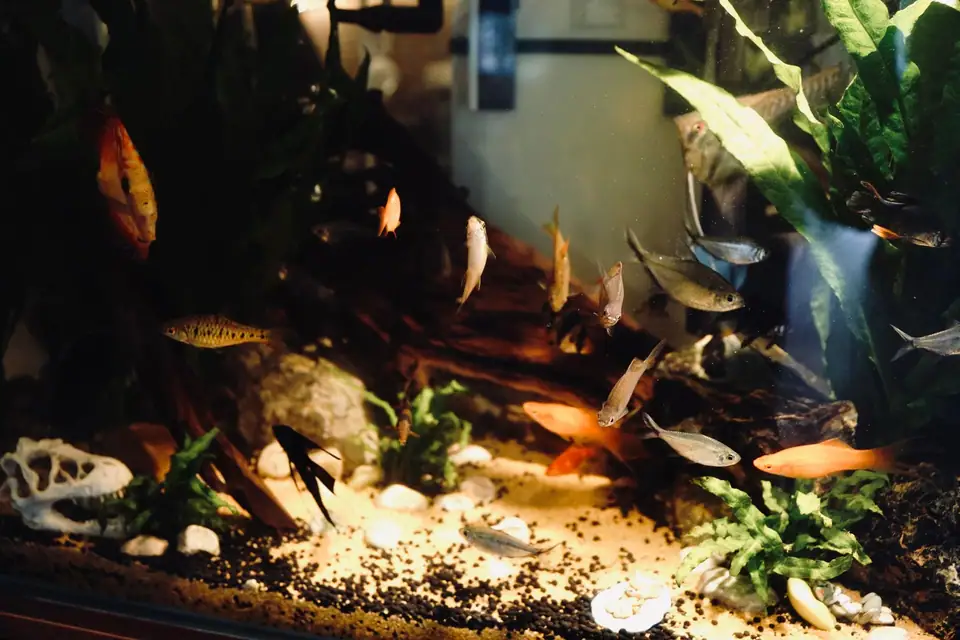
Fish Tank Supplies Checklist: Everything a New Aquarium Needs
What a new freshwater aquarium needs before fish: tank, lid, filter, heater, light, conditioner, test kit, substrate and food, with sizes from vets and makers.
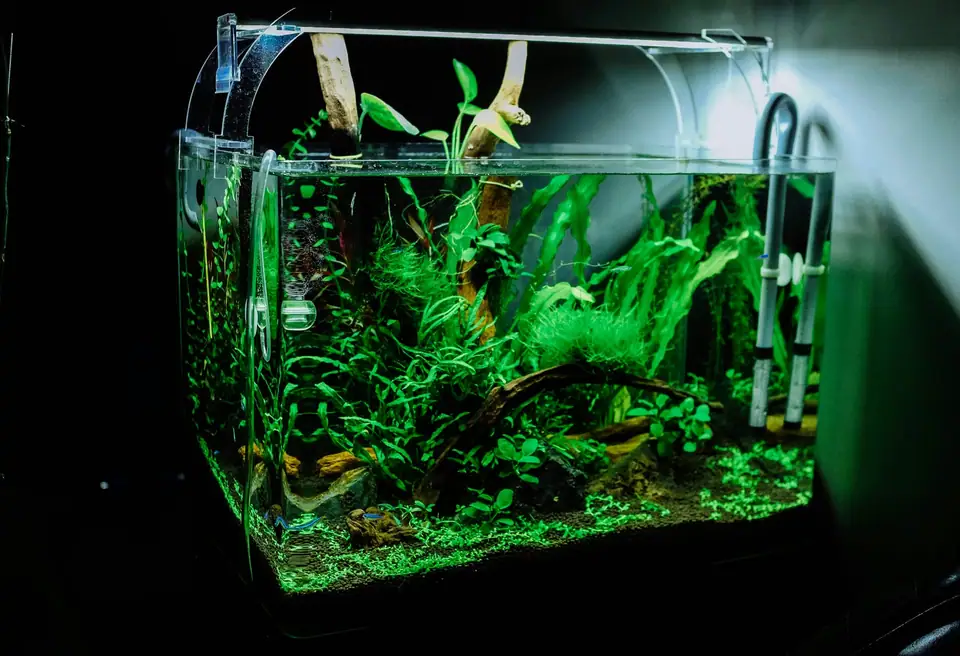
Aquarium Lights: LED, Planted-Tank and Timer Setups Compared
Aquarium lighting explained: light for viewing vs for plants, what PAR means, how many hours a day from the RSPCA, why a timer helps, and where to put the tank.
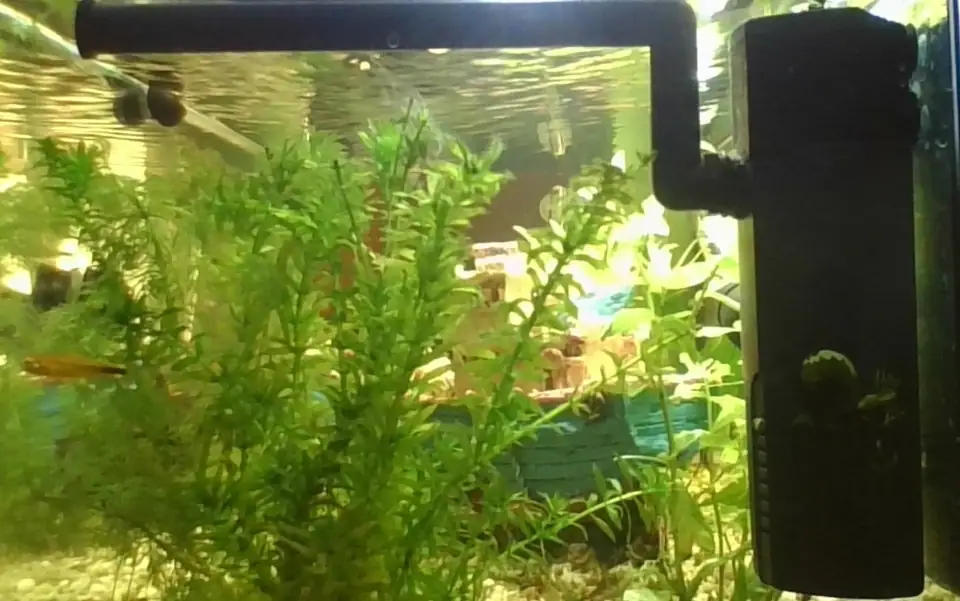
Aquarium Filters: Sponge vs Hang-on-Back vs Canister vs Internal
Sponge, hang-on-back, canister and internal aquarium filters compared: how each works, maker tank ratings, upkeep and which suits bettas, goldfish or big tanks.