Chapter 8Filtration and waterHow to
How to Clean a Fish Tank: Water Changes, Gravel Vacuums and Algae
How to clean a fish tank: how much water to change and how often per the RSPCA, VCA and makers, gravel vacuuming, algae, and filter care that keeps the cycle.
We earn from qualifying purchases through links on this page. How we make money.
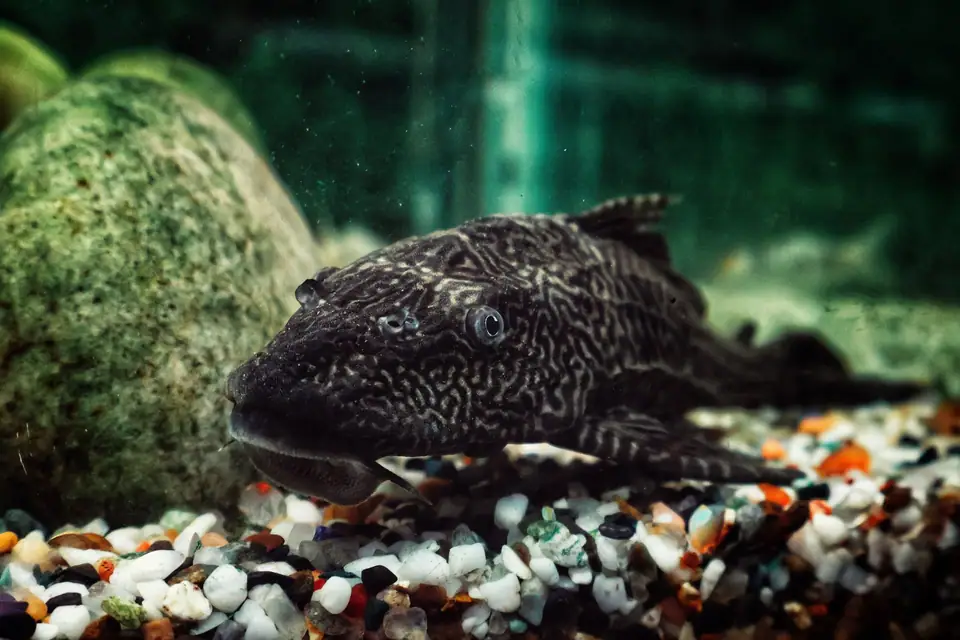
Clean a fish tank by changing part of the water with a gravel vacuum, not by emptying it. The RSPCA suggests 30 percent every week; RSPCA Australia 10 to 25 percent weekly; VCA every 2 to 4 weeks. Treat new water with conditioner, match its temperature, rinse filter media in old tank water, and never use soap.
How much water, and how often?
The sources disagree, so here they are together:
| Source | How much | How often |
|---|---|---|
| RSPCA (UK) | 30% | Weekly |
| RSPCA Australia | 10 to 25%, with a gravel clean | Weekly |
| Marina kit manual (Rolf C. Hagen) | 10 to 20%, never more than 20% at once | Weekly |
| Aqueon | About 25% | Monthly |
| VCA Animal Hospitals | Not stated | Every 2 to 4 weeks |
| NC State vet (goldfish, via Vetstreet) | A third of the tank | Monthly |
The veterinary and welfare sources lean toward small weekly changes; the Marina manual’s cap of 20 percent is the most cautious. A weekly change in the 10 to 25 percent range satisfies most of the table. Heavy waste producers such as goldfish may need the top of the range; see the goldfish chapter.
Step by step
- Unplug the heater and filter. The Marina manual says to disconnect every appliance before putting your hands in the water. Aqueon says a heater must be unplugged and cooled for at least 30 minutes before it comes out of the water.
- Scrape the glass. Use an algae scraper or magnetic cleaner before the vacuum, so loosened algae gets siphoned out.
- Vacuum the gravel. Push the gravel vacuum into the substrate and let the flow lift waste out while the gravel falls back. Work across part of the bottom each time.
- Stop at your target amount. Mark the bucket so you know when you have removed 10 to 25 percent.
- Rinse filter media in the old water, if due (see below).
- Refill with treated water at a similar temperature to the tank, as the Marina manual says, dosed with water conditioner.
- Plug everything back in once the heater has been back in the water for 30 minutes, per Aqueon, with drip loops in the cords.
Gravel vacuums, siphons and algae scrapers
Live listings, shown by eBay
Opens eBay in a new tab. Check condition, seller feedback and returns.
Filter care without losing the cycle
The helpful bacteria live mainly in the filter. RSPCA Australia says to rinse filter media in tank water, never tap water, monthly or when clogged. The Marina manual replaces cartridges every 2 to 4 weeks but never all at once, to keep the biological filtration going. The filters chapter covers each filter type, and the cycling chapter explains why the bacteria matter.
What never goes in the tank
The Marina manual says never to use soap or detergent on any part of the aquarium, or anything that has touched soap. That includes buckets and sponges from the kitchen: keep a set just for the tank.
Algae
Some algae is normal. The usual causes of too much are light and leftover food. The RSPCA suggests 8 to 10 hours of light a day and VCA says keep the tank out of direct sunlight; a timer helps, as in aquarium lighting. Feeding less also means less waste in the water; see fish food by fish.
For the glass, a plastic or blade scraper works on algae spots, and a magnetic cleaner lets you wipe the inside of the glass from the outside. Check any blade scraper is safe for your tank material, since acrylic scratches.
Daily and monthly checks
The Marina manual asks for a quick daily look: remove visible debris or leftover food and check the filter is running smoothly. Check the thermometer at the same time. Once the tank is established, RSPCA Australia says testing the water every one to two weeks is enough.
Water conditioners and test kits for water changes
Live listings, shown by eBay
Opens eBay in a new tab. Check condition, seller feedback and returns.
If fish look unwell after a clean, test ammonia and nitrite first, and see a veterinarian who treats fish if they do not improve. The setup checklist lists the rest of the gear.
Frequently asked questions
How often should you clean a fish tank?
The sources differ. The RSPCA says a 30 percent water change every week, RSPCA Australia 10 to 25 percent weekly, the Marina manual 10 to 20 percent weekly, and VCA every 2 to 4 weeks. Small, regular changes are the common thread.
Should I take the fish out to clean the tank?
No. A partial water change with a gravel vacuum is done with the fish in place. Taking everything out and scrubbing the tank would remove the bacteria that keep the water safe.
Can I clean a fish tank with soap?
No. The Marina kit manual says never to use soap or detergent on anything that goes in the aquarium, or anything that has touched soap. Use plain water and a scraper.
How do I clean the filter without killing the bacteria?
RSPCA Australia says rinse the media in tank water, never tap water, monthly or when clogged. The Marina manual adds: never replace all the cartridges at once.
What temperature should the new water be?
The Marina manual says to replace it with tap water of a similar temperature to the tank, treated with water conditioner.
Sources
- Choosing an Aquarium: Keeping Pet FishRSPCA
- How should I care for my goldfish?RSPCA Australia
- Pet Fish: Setting Up an AquariumVCA Animal Hospitals
- Marina LED Aquarium Kit instructions (5, 10 and 20 gallon)Rolf C. Hagen, hosted by Chewy
- Why Is the Nitrogen Cycle Important for a Healthy Fish Tank?Aqueon
- Your First Fish: Happy, Healthy Goldfish Require Diligent CareVetstreet
- Fish Tank Heater Tips for Cold WeatherAqueon
Part of Filtration and waterStart here: Fish Tank Supplies Checklist: Everything a New Aquarium Needs
Read next
Fish Tank Supplies Checklist: Everything a New Aquarium Needs
What a new freshwater aquarium needs before fish: tank, lid, filter, heater, light, conditioner, test kit, substrate and food, with sizes from vets and makers.
Aquarium Filters: Sponge vs Hang-on-Back vs Canister vs Internal
Sponge, hang-on-back, canister and internal aquarium filters compared: how each works, maker tank ratings, upkeep and which suits bettas, goldfish or big tanks.
How to Cycle a Fish Tank: Nitrogen Cycle, Test Kits and Conditioners
How the nitrogen cycle works, how long cycling takes, fishless cycling step by step, test kits and what water conditioners do, from UF/IFAS, VCA and makers.
Photo: kerinin / Wikimedia Commons, CC BY-SA 2.0