Chapter 1Tanks and setupsChecklist
Fish Tank Supplies Checklist: Everything a New Aquarium Needs
What a new freshwater aquarium needs before fish: tank, lid, filter, heater, light, conditioner, test kit, substrate and food, with sizes from vets and makers.
We earn from qualifying purchases through links on this page. How we make money.
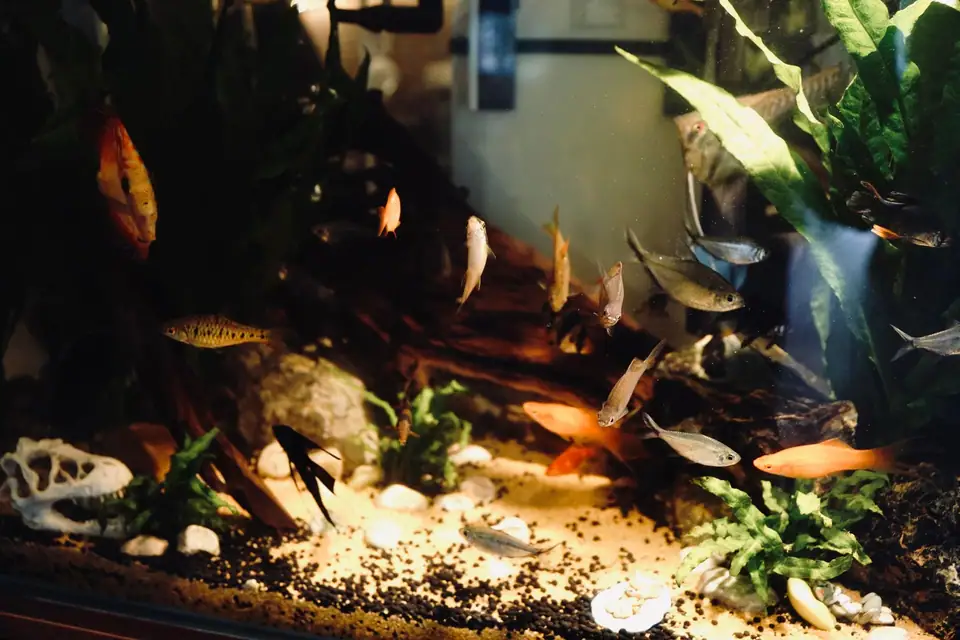
A new freshwater aquarium needs a tank with a lid, a filter, a heater and thermometer for tropical fish, a light on a timer, a water conditioner, a test kit, substrate, food and a gravel vacuum. VCA suggests 10 or 20 gallons for a first tank and a 4 to 6 week cycle before any fish go in.
This checklist is for freshwater. If you are planning a marine tank, the saltwater section covers what changes.
The checklist, in the order you set it up
| Item | Why it matters | Read more |
|---|---|---|
| Tank and lid | VCA suggests 10 or 20 gallons for beginners; bettas jump, so the RSPCA wants a lid | Tank sizes |
| Stand | Aqueon says to use a stand designed for the full weight | Tank sizes |
| Filter | The RSPCA says no fish should be kept without a working filter | Aquarium filters |
| Heater and thermometer | Tropical fish need steady warm water; VCA lists a thermometer as essential | Aquarium heaters |
| Light and timer | The RSPCA suggests 8 to 10 hours of light a day | Aquarium lighting |
| Water conditioner | VCA says most tap water contains chlorine, so it must be treated | Cycling a tank |
| Test kit | Ammonia and nitrite readings tell you when the tank is ready | Cycling a tank |
| Substrate and decor | Rinsed before use, per the Aqueon and Marina setup guides | Substrate and decor |
| Food | Sized for your fish, fed sparingly | Fish food |
| Gravel vacuum and scraper | For partial water changes | Cleaning a tank |
Which step are you on?
Most first tanks come together in this order: pick the size, set it up for the fish you want, add the filter and heater, then cycle it before any fish arrive.
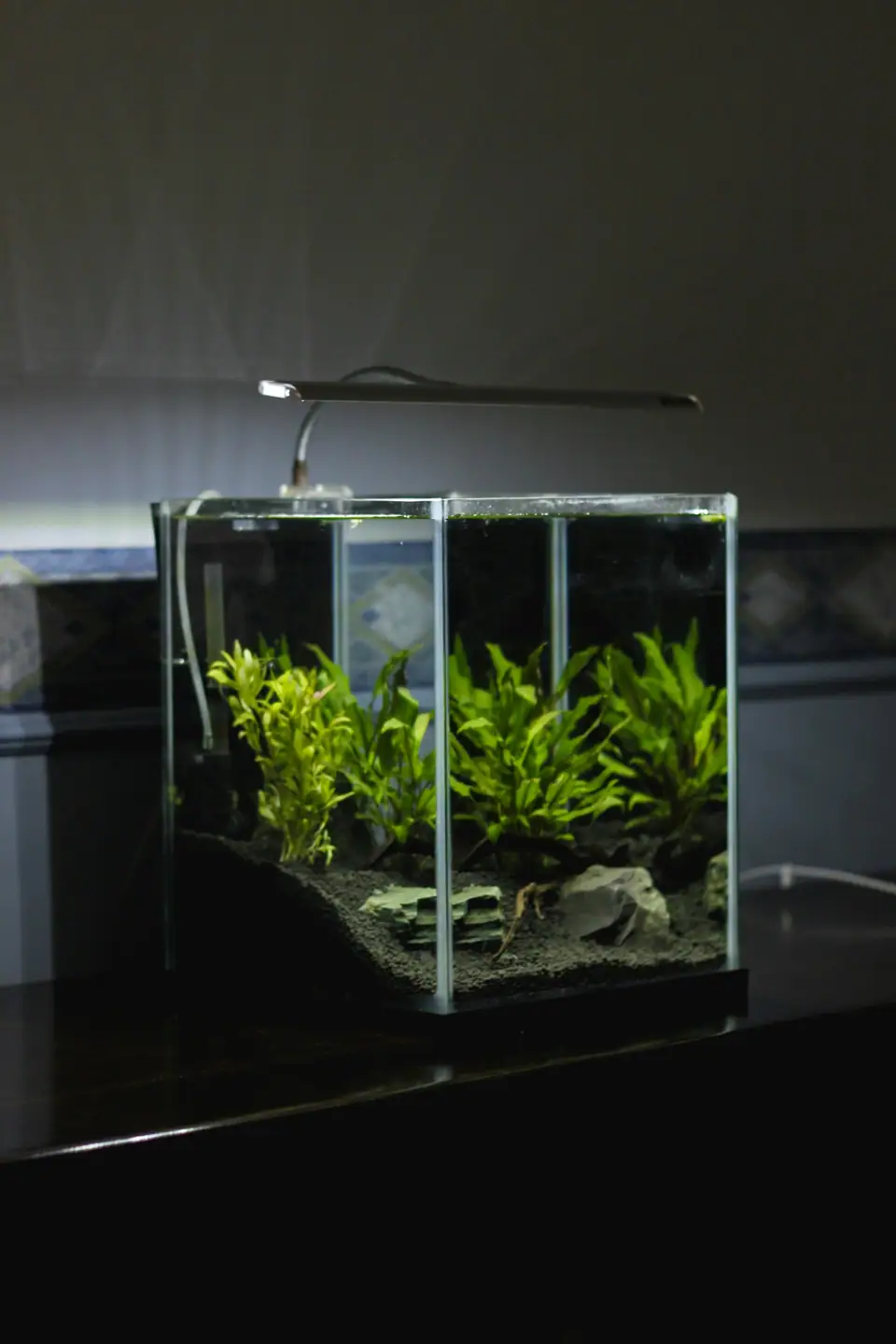
Aquarium kits that bundle the tank, filter and light
Live listings, shown by eBay
Opens eBay in a new tab. Check condition, seller feedback and returns.
Kit or separates?
A kit bundles a tank with some of the basics. The Marina LED kits from Rolf C. Hagen, for example, come in 5, 10 and 20 gallon sizes with a matched Slim filter and a light built into the canopy, while the manual treats the heater as something you add. Check any kit’s box list for a heater, a test kit and a gravel vacuum before you count on them.
Buying separates lets you size each piece to the fish you plan to keep. Either way, check the filter’s rated tank size against your tank and add whatever the kit leaves out.
Pick the tank for the fish, not the other way around
Different fish need very different setups. The table uses the sources on each species guide:
| Fish | Tank | Water temperature | Heater | Source |
|---|---|---|---|---|
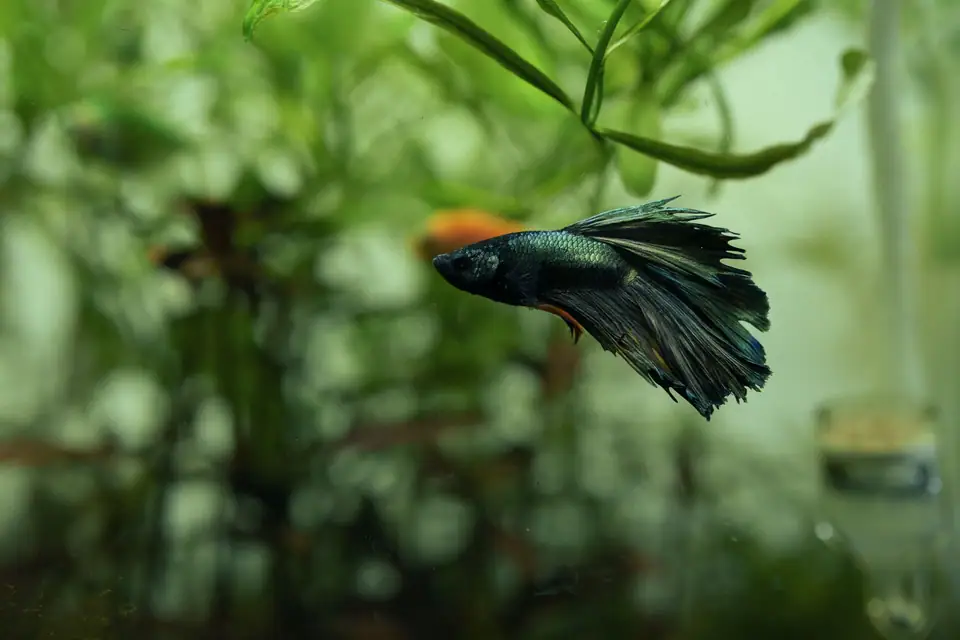
| Betta | 5 gallons or more; kept alone | 76 to 81°F | Yes | University of Illinois vets |
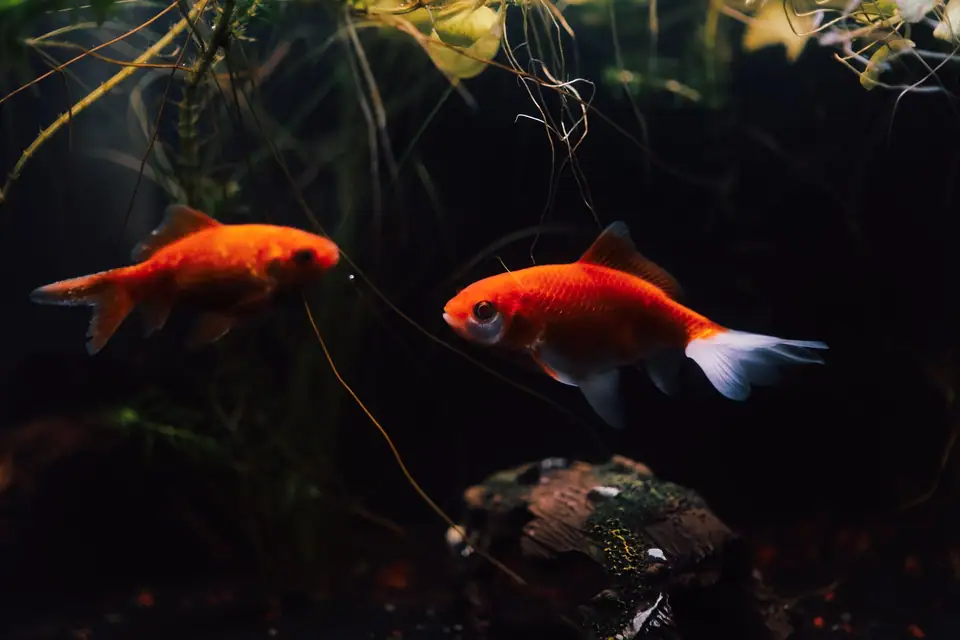
| Goldfish | No smaller than 20 gallons; 29 is best | 10 to 21°C (50 to 70°F) | Usually not | NC State vet via Vetstreet; RSPCA |
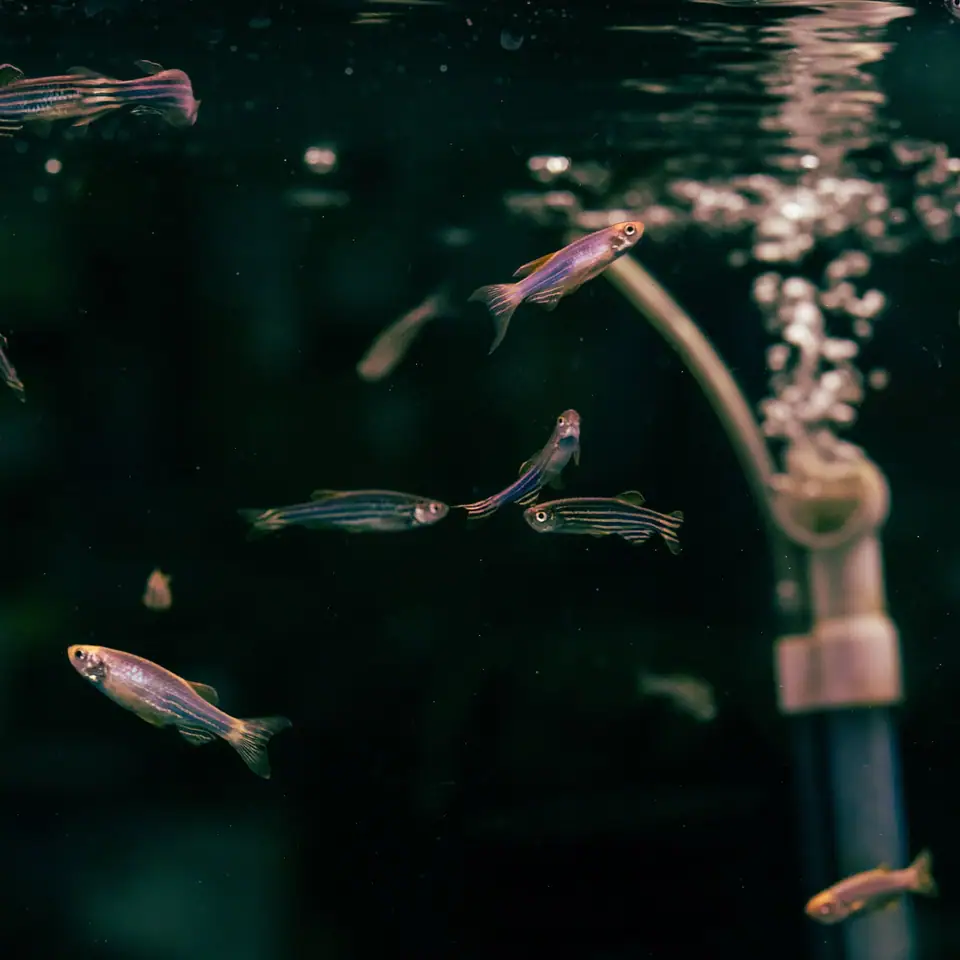
| Community tropicals | 10 or 20 gallons to start | Typically 22 to 28°C (72 to 82°F) | Yes | VCA; RSPCA |
For stocking, VCA gives the rule of 1 gallon of water per 1 inch of fish and warns against overcrowding. The RSPCA puts it as 1.5 to 2 liters per centimeter of tropical fish, and much more for goldfish: 2 liters per half centimeter. Count the adult length, not the size in the store. The betta setup and goldfish setup chapters go further.
Cycle before fish
A new tank has no colony of the bacteria that turn fish waste into less harmful compounds. VCA says the tank must cycle for 4 to 6 weeks before fish are added, so that ammonia and nitrite reach acceptable levels.
The makers’ guides are much shorter: Aqueon says fish should not go in until the tank has run for at least 48 hours, and the Marina kit manual says to wait 3 to 4 days for the temperature to settle. Go with the veterinary advice and test the water. The cycling chapter shows how, with a test kit and a conditioner.
Electricity and water
The Marina kit manual says to unplug every appliance before putting your hands in the water, and to leave a drip loop in each cord, dipping below the socket so water cannot run along it into the outlet.
Water conditioners and liquid test kits
Live listings, shown by eBay
Opens eBay in a new tab. Check condition, seller feedback and returns.
The first six weeks, week by week
RSPCA Australia’s guidance for a new tank gives a workable timeline:
- Day one: set up the tank, filter and heater, treat the water with conditioner and start the cycle.
- Every 2 to 3 days for the first six weeks: test ammonia and nitrite.
- When the readings allow: add fish gradually, never large numbers at once, so the bacteria can adapt.
- After that: weekly partial water changes of 10 to 25 percent, and testing every one to two weeks.
The same page says the biological filter usually takes 4 to 6 weeks to establish. If you buy everything on the same weekend, the fish come a month or more later, and that wait is part of the plan.
Placing and filling the tank
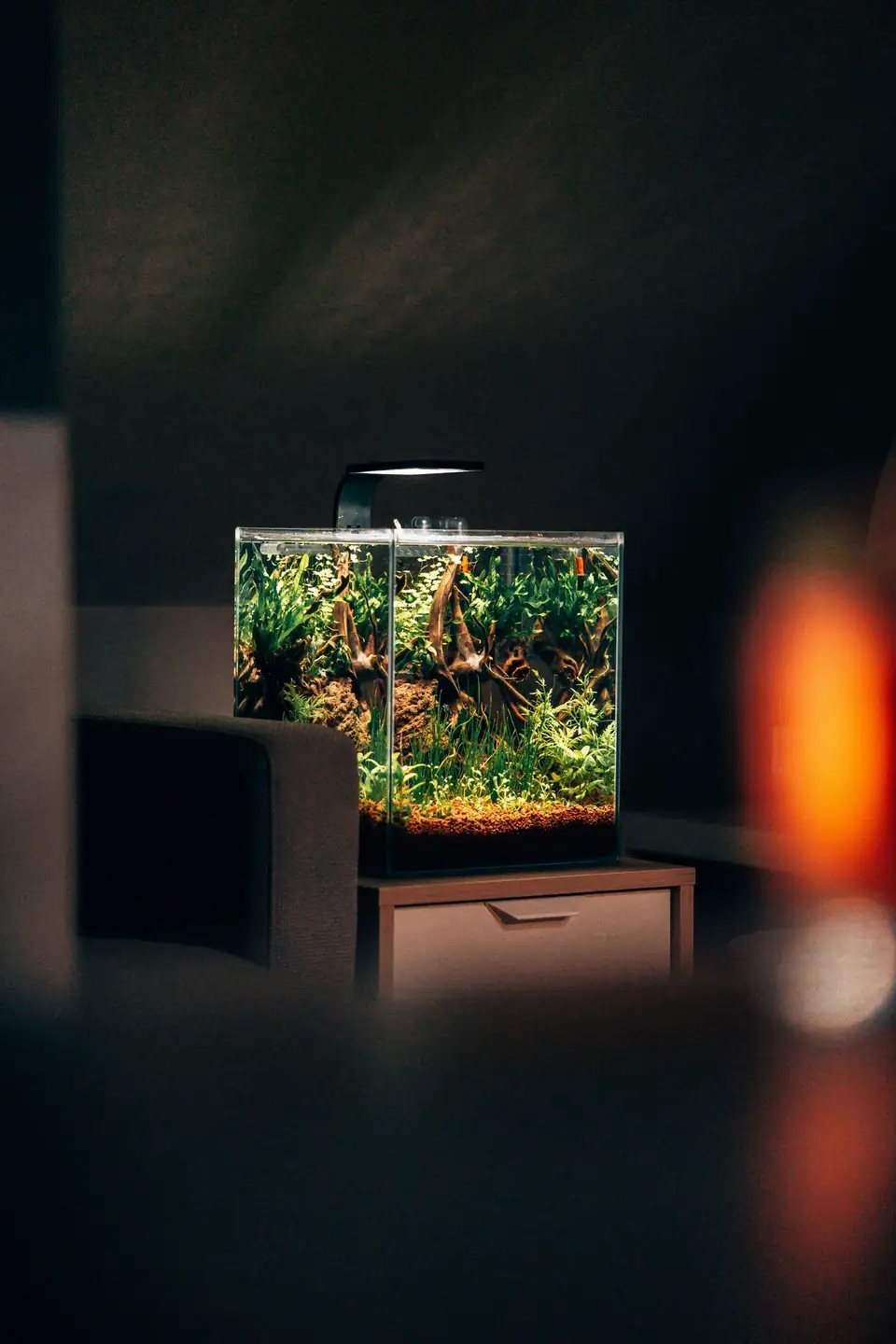
VCA says to put the tank somewhere shielded from direct sunlight and not under an air conditioning vent; the RSPCA adds radiators and smoky rooms to the list.
Aqueon estimates a tank filled with water, gravel and decor at about 10 pounds per gallon, so a 20 gallon tank is roughly 200 pounds. Set it on a stand built for that weight before you fill it.
Rinse the gravel and decor first, as both the Aqueon and Marina guides say, and never use soap or detergent on anything that goes in the tank. Treat the tap water with conditioner as you fill.
Where to go next
Choose a size in fish tank sizes compared, then pick a filter, a heater and a light. Plan your substrate and decor, learn how to clean a tank without undoing the cycle, and see fish food by fish. For presents, see gifts for aquarium keepers. Species setups are in the setups section.
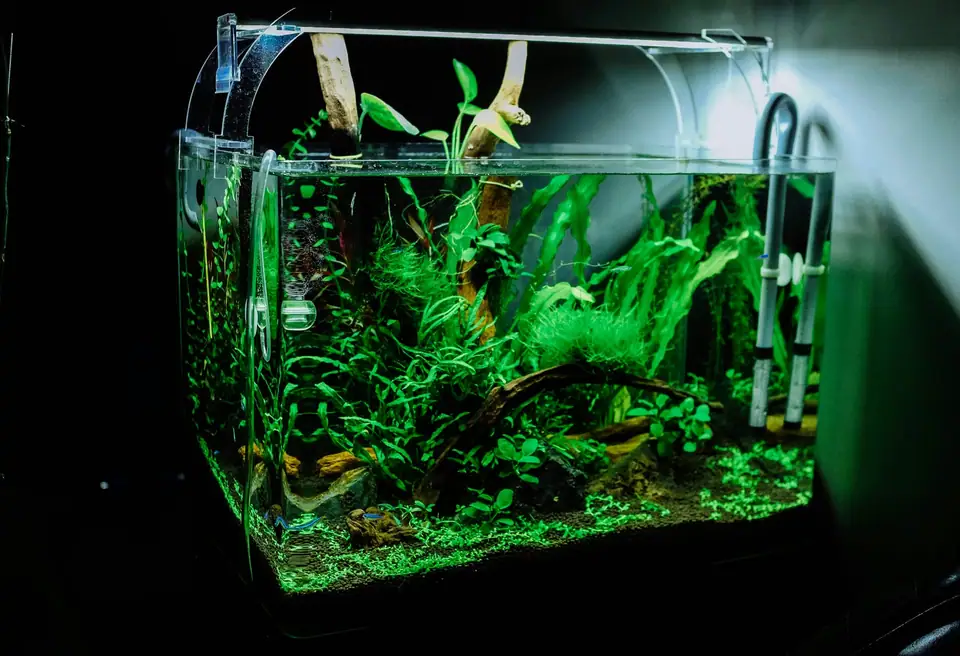 Aquarium lights and timersHow many hours of light, and what planted tanks need.
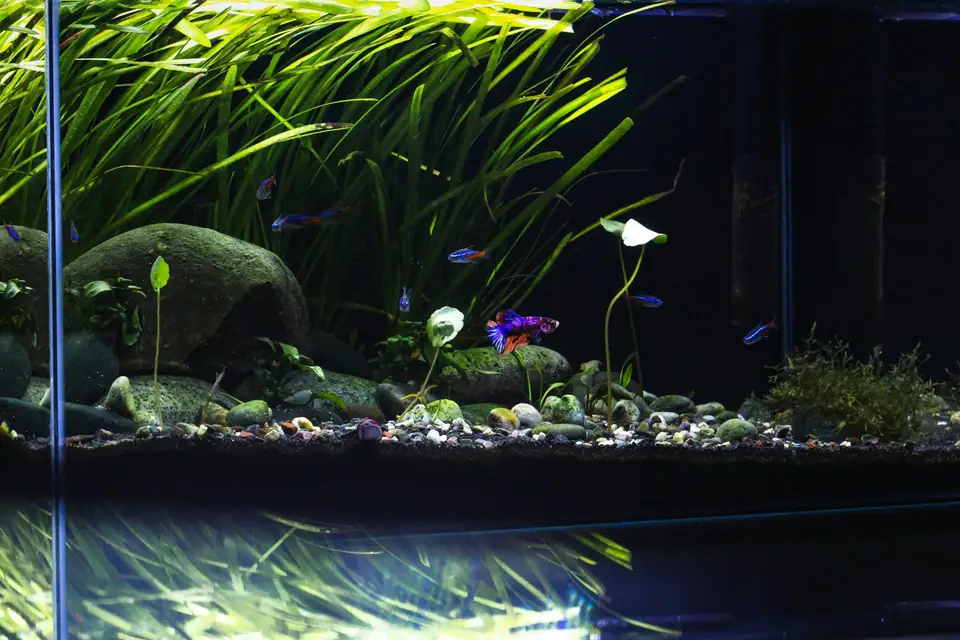 Substrate and decorGravel, sand or aqua soil, and decor that is safe for fins.
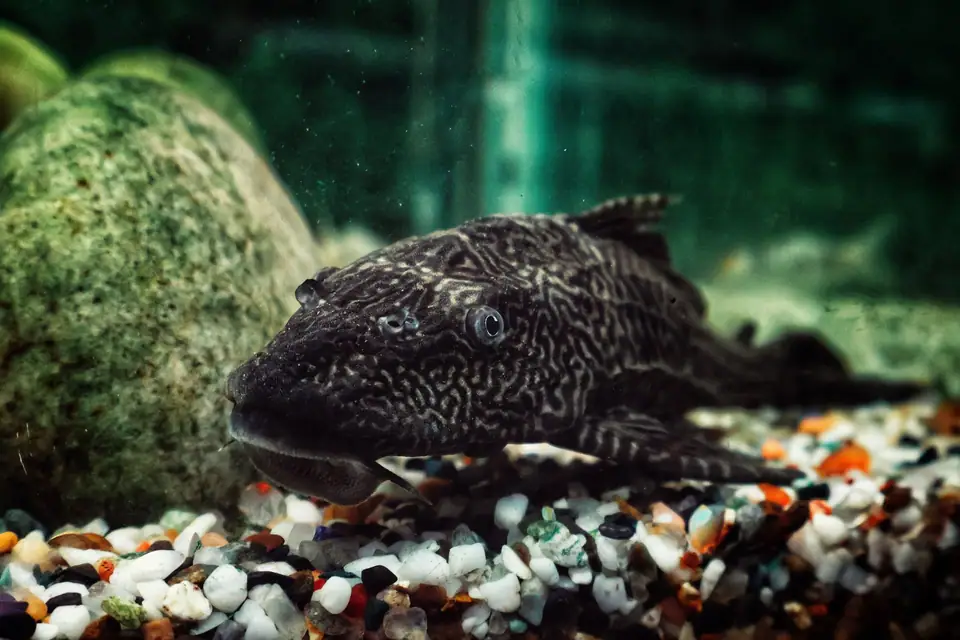 Cleaning a fish tankWater changes and gravel vacuums that keep the cycle going.
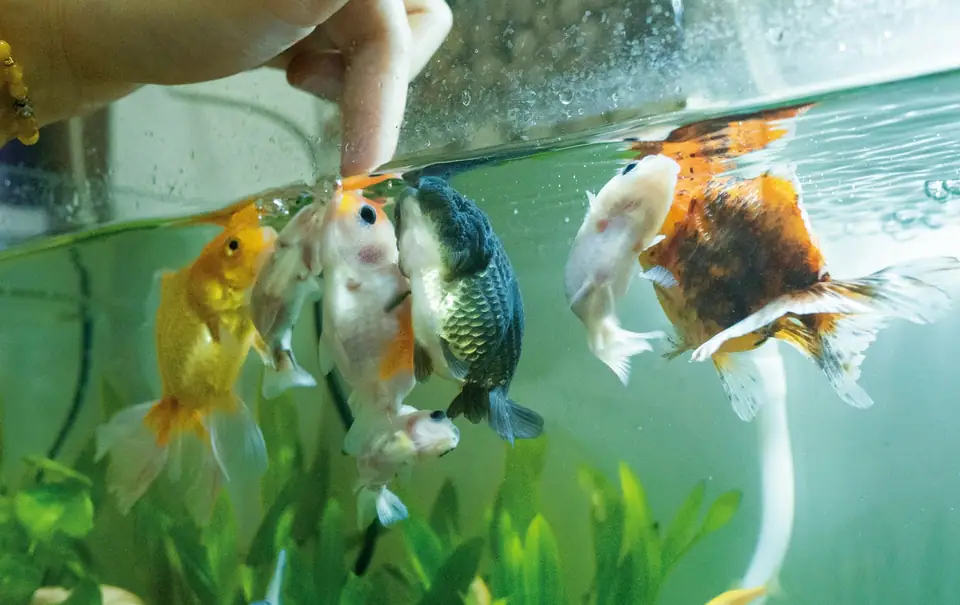 Fish food by fishWhat to feed bettas, goldfish and tropicals, and how much.
Frequently asked questions
What supplies do I need for a fish tank?
A tank with a lid, a filter sized for the tank, a heater and thermometer for tropical fish, a light on a timer, a water conditioner, a liquid test kit, substrate and decor, food and a gravel vacuum. VCA adds that the tank must cycle for 4 to 6 weeks before fish go in.
Is it cheaper to build a fish tank or buy a kit?
A kit bundles the tank with basics such as a filter and light, but not always a heater: the Marina LED kits, for example, ship with a filter and treat the heater as an add-on. Compare what a kit includes against this checklist before deciding.
What size fish tank should a beginner get?
VCA says most beginners should start with a 10 or 20 gallon tank. The RSPCA advises nothing smaller than about 40 liters (roughly 10 gallons), because larger volumes stay more stable.
How long do I wait before adding fish to a new tank?
The sources differ. VCA says to cycle for 4 to 6 weeks, while Aqueon's setup guide says at least 48 hours and the Marina kit manual 3 to 4 days. Testing for ammonia and nitrite is the way to know.
Where should I put a fish tank?
VCA says somewhere shielded from direct sunlight and not under an air conditioning vent. The RSPCA adds away from radiators, on a sturdy surface, because a filled tank is very heavy.
Sources
- Pet Fish: Setting Up an AquariumVCA Animal Hospitals
- Choosing an Aquarium: Keeping Pet FishRSPCA
- Setting Up a Freshwater AquariumAqueon
- Marina LED Aquarium Kit instructions (5, 10 and 20 gallon)Rolf C. Hagen, hosted by Chewy
- Why is water quality important when setting up a fish aquarium?RSPCA Australia
- How should I care for my Siamese fighting fish?RSPCA Australia
- Bettas Need More Than BowlsUniversity of Illinois College of Veterinary Medicine
- Your First Fish: Happy, Healthy Goldfish Require Diligent CareVetstreet
- Pet and Water Garden Industries, Resource Management Agencies, Academia Unite to Create a New HabitattitudeU.S. Fish and Wildlife Service
Part of Tanks and setupsStart here: Fish Tank Setups: Tank Sizes, Betta and Goldfish Tanks
Read next
Fish Tank Setups: Tank Sizes, Betta and Goldfish Tanks
How to set up a home aquarium: the first-tank checklist, tank sizes from 5 to 75 gallons, and betta and goldfish setups, with numbers from vets and makers.
Saltwater Aquariums: What Changes From a Freshwater Tank
What changes when you move from a freshwater tank to a saltwater aquarium: the shared gear, the extra steps, and the freshwater chapters that still apply.
Aquarium Substrate and Decor: Gravel, Sand, Aqua Soil, Driftwood
Aquarium substrates compared: gravel, sand and aqua soils, how driftwood and limestone change pH, rinsing and safe decor, and silk vs plastic plants for bettas.