Filtration and waterChecklist
Aquarium Equipment: Filters, Heaters, Lights and Substrate
The hardware a freshwater aquarium runs on: which filter type fits your tank, heater wattage by tank size, light hours and timers, and substrate and decor.
We earn from qualifying purchases through links on this page. How we make money.
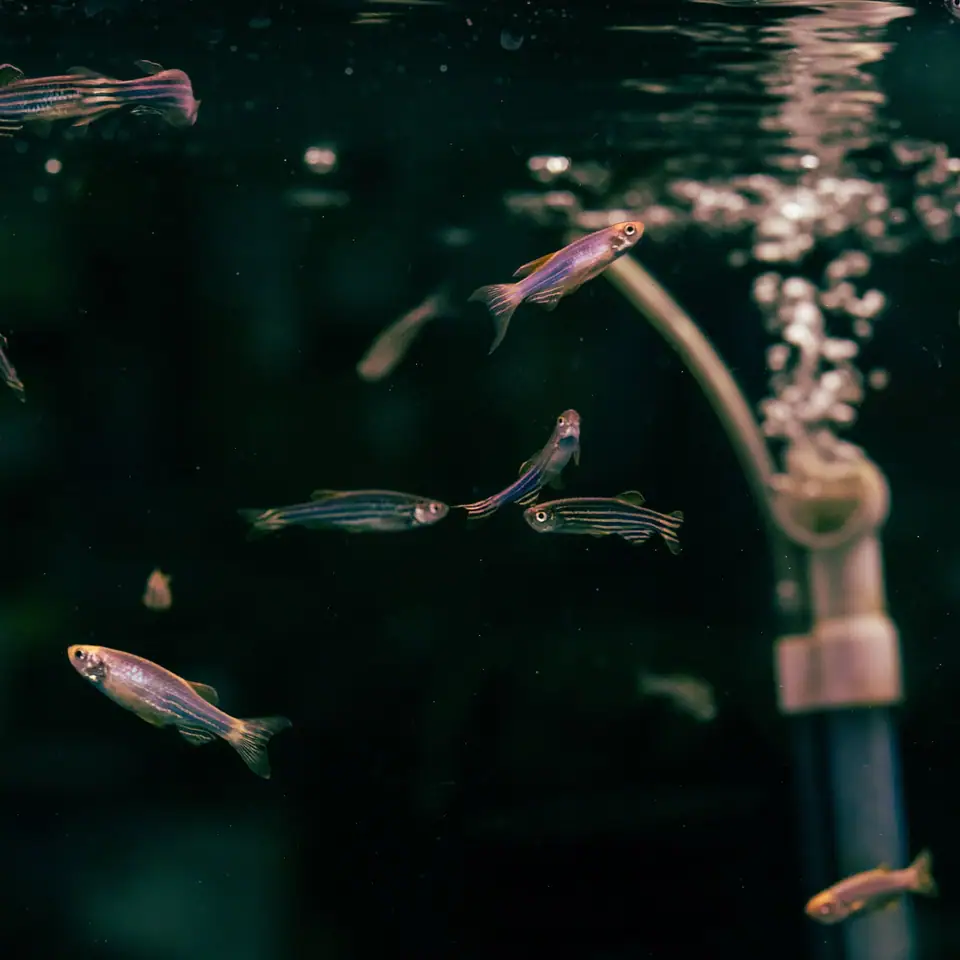
A freshwater aquarium runs on four pieces of equipment: a filter sized for the tank, a heater for tropical fish and bettas, a light on a timer, and a substrate that suits the fish and plants. Size the filter and heater to the tank’s volume, and buy all four before any fish arrive.
Each chapter in this section takes one piece of hardware and explains how to choose it for your tank size and your fish.
Filters for every tank size
The RSPCA says no fish should be kept without a working filter. Four types do the job in different ways: hang-on-back filters suit most tanks from 10 to 75 gallons, canisters suit big or goldfish tanks, sponge filters give bettas gentle flow, and internal filters fit nano tanks. Aquarium filters compared explains how each works and how to clean the media without losing the bacteria.
Aquarium filters: canister, hang-on-back, sponge and internal
Live listings, shown by eBay
Opens eBay in a new tab. Check condition, seller feedback and returns.
Read the tank rating on the box
Makers rate filters by flow in gallons per hour and by the tank sizes they suit. Aqueon rates its QuietFlow canister at 200 gallons per hour for tanks up to 55 gallons, and its smallest internal filter at 0 to 35 gallons per hour for tanks up to 5 gallons. Buy a filter rated for at least your tank’s volume; for goldfish, which make a lot of waste, size up.
Filter care matters as much as the filter. RSPCA Australia says to rinse filter media in tank water, never tap water, and the Marina kit manual says never to change all the cartridges at once. Both keep the bacteria that the tank’s cycle depends on.
Heater wattage and lighting hours
Tropical fish and bettas need a heater; goldfish usually do not. Aqueon’s rule is 5 watts per gallon up to 55 gallons, so a 20 gallon tank takes a 50 to 100 watt heater. University of Illinois vets give bettas 76 to 81°F. Aquarium heaters covers wattage by tank size, running costs and heater safety.
| Equipment | Rule of thumb | Source |
|---|---|---|
| Heater, up to 55 gallons | 5 watts per gallon | Aqueon |
| Heater for a betta | Holds 76 to 81°F | University of Illinois vets |
| Light | 8 to 10 hours a day | RSPCA |
| Tank placement | Out of direct sun | VCA |
A light is for viewing, for a steady day and night, and for plant growth in planted tanks. An outlet timer is the simplest way to hold the RSPCA’s 8 to 10 hours. Aquarium lighting compares LED lights for plain and planted tanks.
Substrate, rocks and driftwood
Gravel suits most tanks, sand gives a softer look, and aqua soils are for planted tanks. Decor can change the water: Aqueon says driftwood can lower pH through tannins and limestone raises it. Rinse substrate and decor before use and never use soap, as the Marina kit manual warns. Substrate and decor compares each type and the safe choices for long-finned fish.
Equipment chapters at a glance
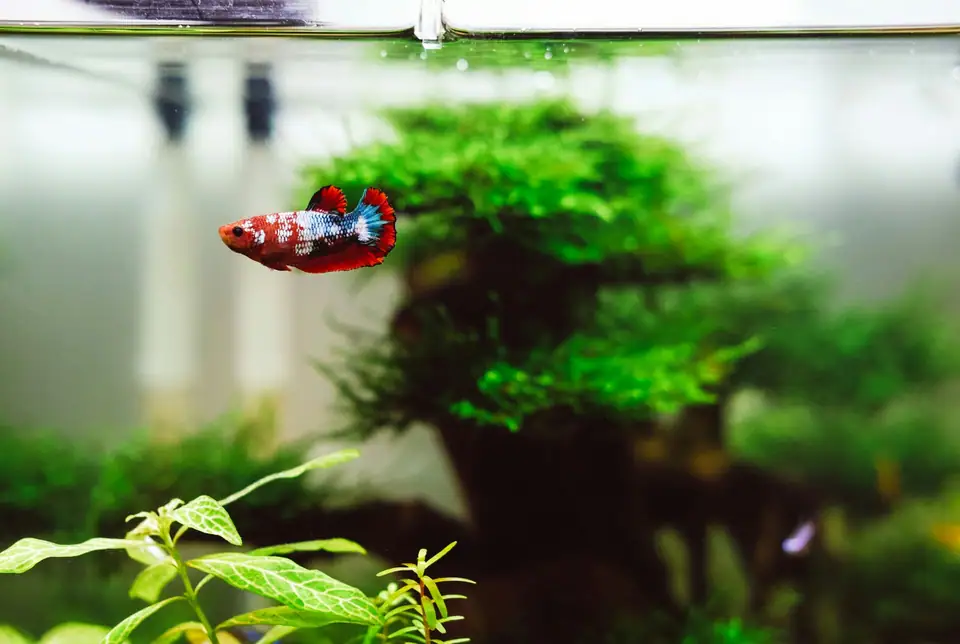 Aquarium heatersWhich fish need one, and what wattage fits your tank.
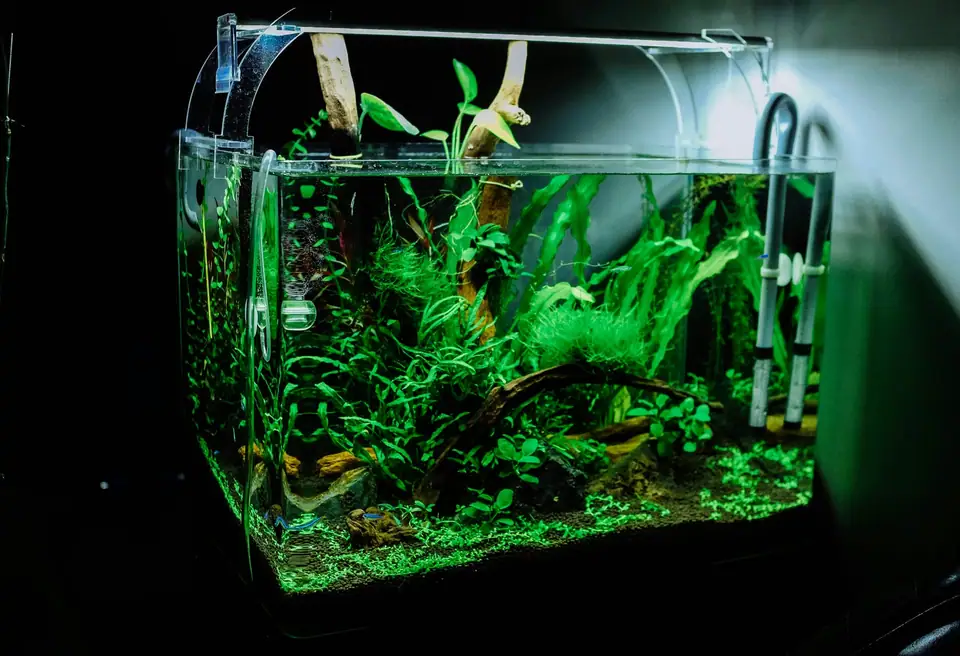 Aquarium lightsHours of light, timers and lights for plants.
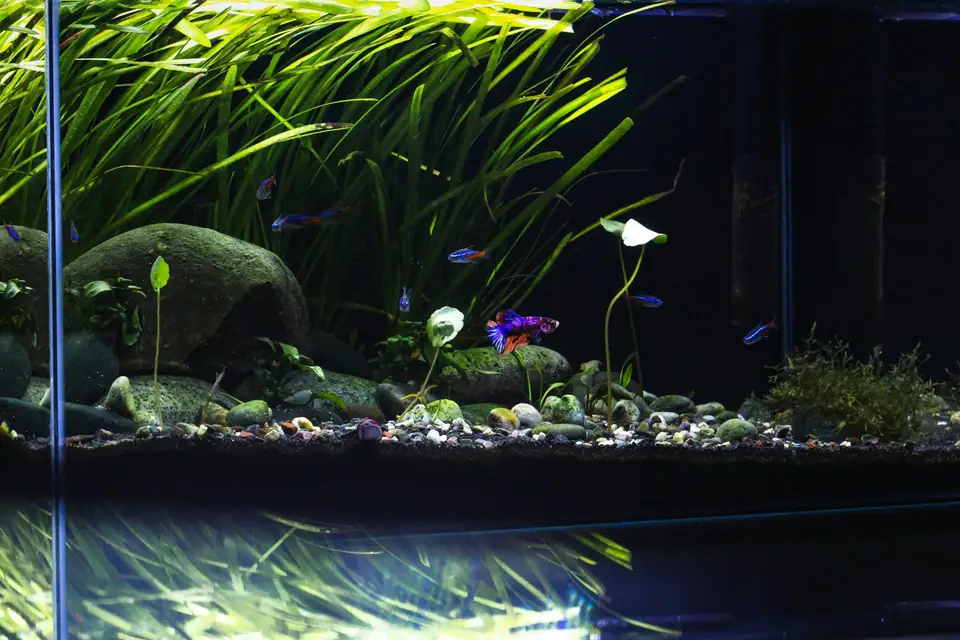 Substrate and decorGravel, sand or soil, and decor that changes pH.
For the full list of what a new tank needs, start with the setups section.
Sources
- Choosing an Aquarium: Keeping Pet FishRSPCA
- QuietFlow Canister FiltersAqueon
- QuietFlow Internal Power Filters with SmartClean TechnologyAqueon
- Why is water quality important when setting up a fish aquarium?RSPCA Australia
- Aqueon Heater Wattage GuidelinesAqueon
- Bettas Need More Than BowlsUniversity of Illinois College of Veterinary Medicine
- Pet Fish: Setting Up an AquariumVCA Animal Hospitals
- Aquarium pH: How to Safely Adjust pHAqueon
- Marina LED Aquarium Kit instructions (5, 10 and 20 gallon)Rolf C. Hagen, hosted by Chewy
Part of Filtration and water
Read next
Aquarium Filters: Sponge vs Hang-on-Back vs Canister vs Internal
Sponge, hang-on-back, canister and internal aquarium filters compared: how each works, maker tank ratings, upkeep and which suits bettas, goldfish or big tanks.
Aquarium Heaters: Do You Need One, What Size, and Which Type
Which fish need an aquarium heater, what wattage for your tank size from Aqueon's chart, what a heater costs to run at US electricity prices, and heater safety.
Aquarium Lights: LED, Planted-Tank and Timer Setups Compared
Aquarium lighting explained: light for viewing vs for plants, what PAR means, how many hours a day from the RSPCA, why a timer helps, and where to put the tank.